The Living Systems Institute (LSI) building is an all-new, world-class £52 million complex being built as part of a £340 million investment in the University of Exeter campus. The LSI will “pioneer novel approaches to understanding diseases and how they can be better diagnosed” (University of Exeter, 2016). BAM Construction successfully acquired the contract to build the new structure in the heart of the Exeter campus in 2014.
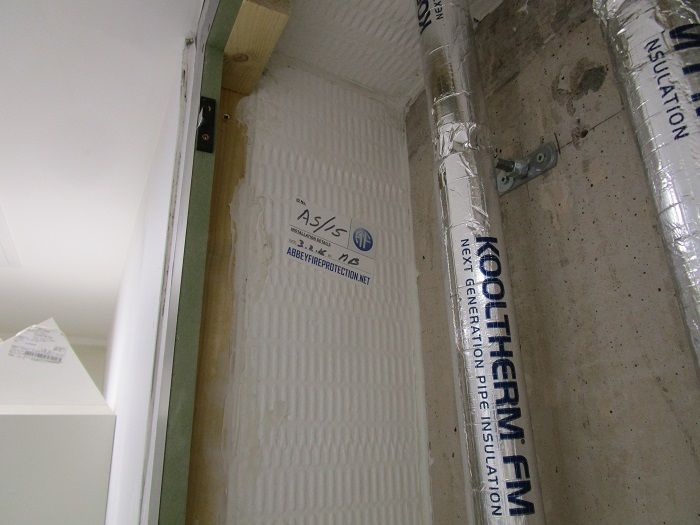
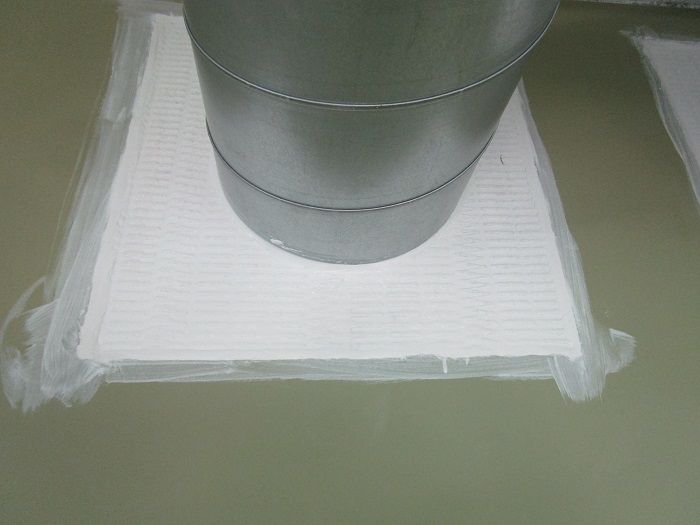
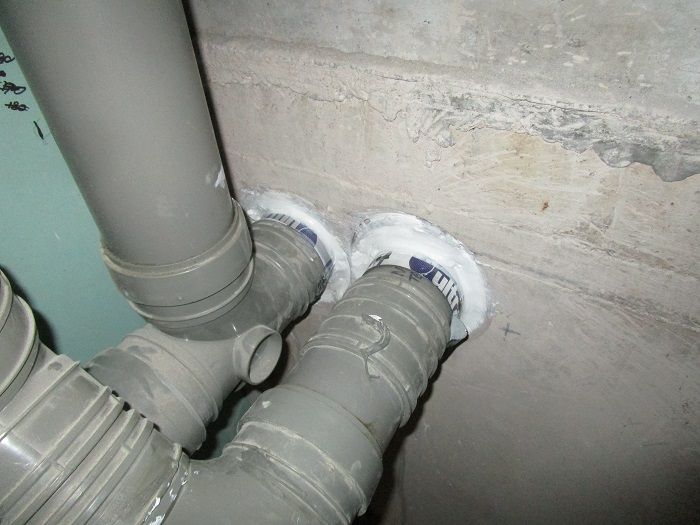
Since the building would house laboratories and high-tech machinery, as well as a large number of continual occupants, passive fire protection and air sealing were a priority concern. AF Protection Limited were awarded the contract to carry out said works throughout the nine-storey building spread across two linked tower blocks. Majority of the escape staircases and corridors, as well as various plant rooms, required two hours of fire resistance in their construction, with most other areas requiring at least one hour. Following this work, acoustic seals were also required on virtually every floor to reduce sound travel between all of the various work areas. Given the size and nature of the building, as well as its isolated location within the campus, there were hindrances and restrictions in the process of works. However, our dedicated management team were able to communicate with BAM Construction and operatives on site on a regular basis to ensure that work continually progressed. Even now, as the project draws to a conclusion, operatives are on site to ensure that all necessary works are completed prior to handover and that the client is 100% satisfied.
As is common on these sites, unexpected problems occur on a regular basis and passive fire protection is no exemption. Fortunately, AF Protection pride themselves on their ability to assess issues highlighted on site then propose a suitable and cost-effective solution to be implemented. A typical example of this process involved a ladder of high-voltage cables passing through a plant rooms, and then through the building. These cables were potentially hazardous, and if damaged (for example, by fire or heat) then the resultant consequences were worryingly uncertain. To provide protection to these cables from the external elements (and vice-versa), a proposed plan of “wrapping” the cables in a composite cavity fire barrier was implemented, thereby providing up to two hours of fire and heat resistance. The work had to be carried out in a particularly careful manner and an in-depth method and risk assessment was carried out by specially trained members of the AF Protection management team. The installation was a slow and laborious task given the size of the cables and subsequent penetrations, but nevertheless completed to an excellent standard and approved by the client.
The project is currently nearing completion with only remedial works being required before handover. The value of the contract now exceeds £150,000 and is one of the biggest projects that AF Protection has ever undertaken. It is also one of numerous projects completed with BAM Construction, which reflects a trusted on-going working relationship between main contractor and sub-contractor that AF Protection continues to value and promote.
Sources:
https://www.exeter.ac.uk/livingsystems/
http://www.northdevonjournal.co.uk/bam-constructio...
http://www.bam.co.uk/media-centre/news-details/uni...
Picture Gallery